


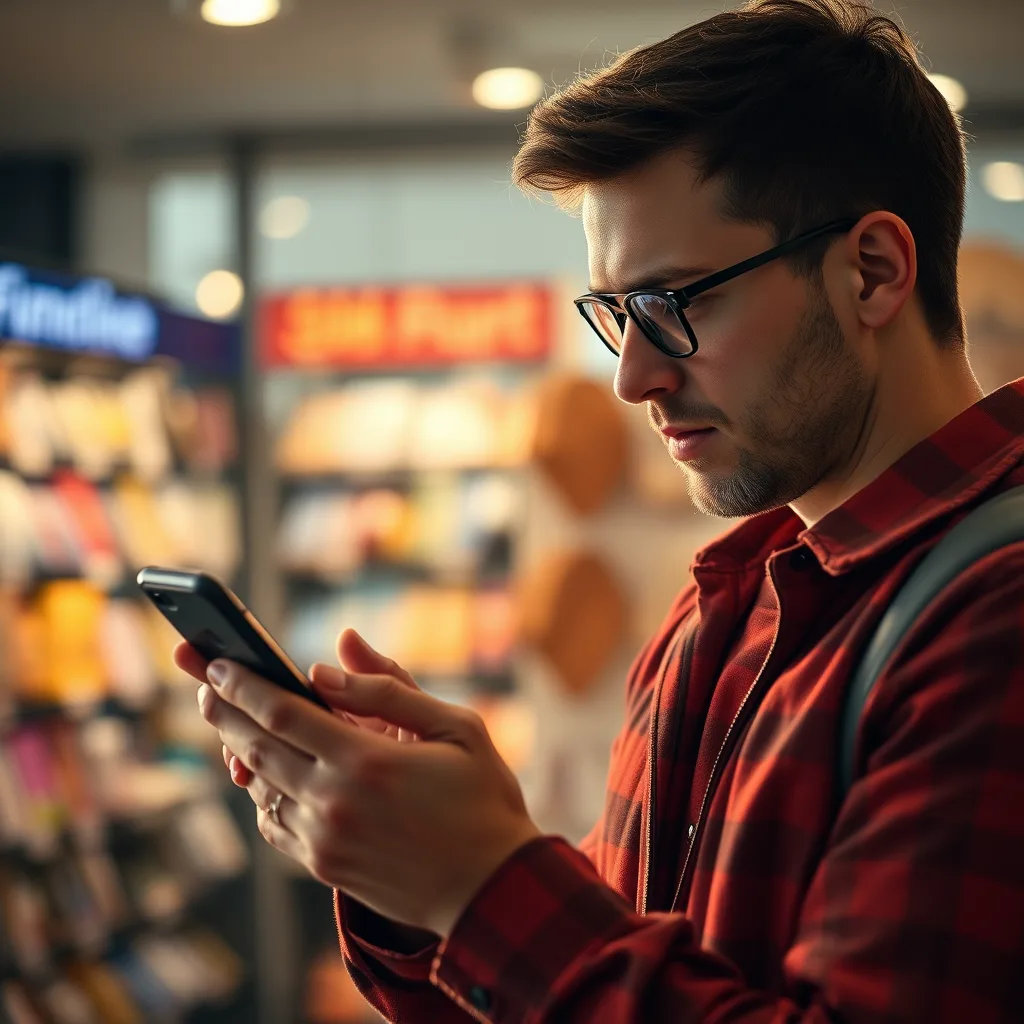
Online shopping has become increasingly popular in recent years, offering convenience and a wider range of products than ever before. However, this surge in popularity has also led to an increase in fraudulent activities, particularly on platforms like Instagram, Facebook, and WhatsApp. This article will guide you through the warning signs to watch out for when dealing with sellers online, helping you stay safe from scams.
Be Wary of Unrealistically Low Prices
One of the biggest red flags is a price that's too good to be true. While it might seem tempting to grab a bargain, remember that these offers are often a trick to lure unsuspecting buyers into handing over their money without receiving any goods in return. Always cross-reference the prices with other sellers and consider the cost of shipping and handling.
Watch Out for Pressure Tactics
If a seller is pushing you to make an immediate decision, it's usually a sign that something isn't right. Scammers often use tactics like urgency or limited-time offers to pressure buyers into making impulsive decisions without taking the time to verify the legitimacy of the transaction. Take your time and think through each purchase carefully.
Research Before You Buy
Before you make a purchase, take some time to research the seller. Check if they have a physical address or contact details listed on their profile or website. Genuine sellers will often provide this information as proof of their legitimacy. Look for reviews and feedback from previous buyers; many platforms allow users to leave ratings and comments.
- Visit the seller's social media profiles directly instead of clicking links sent via messages.
- Search online using the shop’s name or product details to see if there are any scam reports.
Evaluate Seller Reviews Carefully
Pay attention to reviews from other buyers. Legitimate sellers will have a mix of positive and negative reviews, while scammers often post fake reviews to manipulate potential customers into trusting them. Be wary of sellers with only perfect ratings or very few reviews, as this can indicate that the seller is new or has been around but lacks credibility.
Check for Secure Payment Options
A reliable seller will offer secure payment methods like PayPal or bank transfers that provide some level of buyer protection. Be cautious if a seller insists on using cash payments, M-Pesa, or other unsecured means of transferring money directly to their accounts without any protection measures in place.
Secure Payment Tips
- Avoid sending money through personal bank transfers unless you’re absolutely sure about the seller’s legitimacy.
- Consider using escrow services if available, which hold your payment until you receive and approve the goods.
Protect Your Personal Information
Never share sensitive details like your ID number or bank login credentials with anyone online. Legitimate businesses will not request this kind of information during a routine transaction. If asked to provide such data, it’s highly likely that you’re dealing with a scammer.
Conclusion: Stay Safe and Informed
Making informed decisions is key to staying safe from scams while shopping online or through social media. Remember these tips every time you consider making a purchase to avoid becoming a victim of fraud. If you have any doubts about the legitimacy of a seller, take your time to research further. Don’t hesitate to reach out to rev.africa for reviews and insights on businesses across Africa.
For more information on staying safe while shopping online or through social media platforms, visit our blog for detailed guides and advice from fellow consumers like you. Share your experiences by leaving a review on rev.africa so others can benefit from your knowledge too!
Comments (0)