


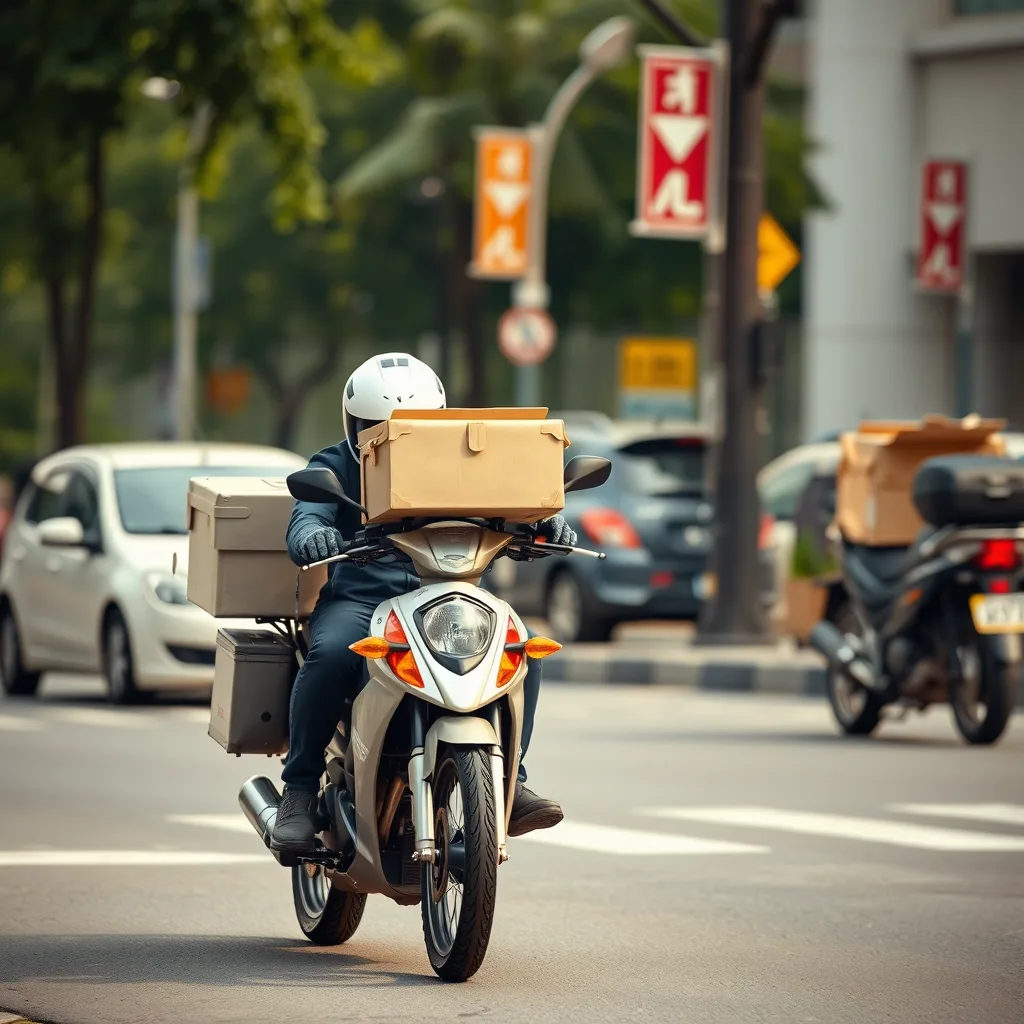
Food delivery apps have become an integral part of our daily lives, making it easier than ever to enjoy a variety of cuisines without leaving the comfort of your home. However, navigating the world of food delivery can sometimes be confusing with terms like service charges and delivery fees, not to mention dealing with issues when things don't go as planned. In this article, we'll break down what you need to know about using these services effectively in African countries.
Understanding Delivery Fees and Service Charges
To start off, it’s important to understand the difference between delivery fees and service charges. A delivery fee is usually a fixed amount that covers the transportation of your order from the restaurant to your location. This amount can vary based on factors like distance or peak hours.
A service charge, on the other hand, is often included by restaurants and goes towards covering their operational costs such as staff wages and utilities. It’s important to check these charges before making a purchase so you’re not surprised by the total cost of your order.
How Long Will Your Order Really Take?
One common concern with food delivery is whether your meal will arrive on time. Delivery times can vary widely depending on several factors, including traffic conditions and how busy the restaurant is at the moment you place your order. Typically, apps provide an estimated delivery window based on these variables.
- Peak Hours: During busy periods such as lunchtime or dinner service, expect longer wait times due to increased demand and potential delays from restaurants.
- Location: If you live in a more remote area, your delivery time might be longer than if you were closer to the city centre where most food outlets are located.
What to Do With a Wrong or Late Order?
If your order arrives later than expected or contains an incorrect item, don’t hesitate to reach out for assistance. Most delivery apps have customer support channels that you can contact through the app itself, via phone, email, or sometimes social media platforms.
Tipping Riders: A Kind Gesture?
Some users opt to tip their riders as a gesture of appreciation for delivering food safely and on time. While tipping is not mandatory, it’s seen as a kind way to show gratitude—especially if the rider has gone above and beyond in providing good service.
Refunds: When You Need Them
If you’ve received an incorrect order or your meal arrived cold and soggy, you might be entitled to a refund. Many apps have policies for these situations where you can request a full or partial reimbursement of the cost of the food. It’s advisable to review the app’s specific guidelines on refunds before reaching out.
The Power of Ratings and Reviews
Your feedback plays a crucial role in helping other customers make informed decisions about which restaurants and delivery services are reliable and trustworthy. By leaving detailed reviews, you can highlight both positive experiences (such as excellent food quality or punctual deliveries) and areas for improvement.
Conclusion: Your Voice Matters
Making the most out of your food delivery experience involves understanding all aspects of how these services operate—from fees to handling issues. Remember that leaving feedback is not just beneficial for you but also helps future customers make better choices. For more insights and reviews on various services across Africa, visit rev.africa. Join us in sharing your experiences so we can continually improve the offerings available to our community.
Comments (0)